
Check out our pilots

AI Driven Crack Detention/Connected Helmet
The BEPROACT pilot at Lycée Les Marcs d’Or in Dijon demonstrated how AI-driven tools, like the Connected Helmet, enhance infrastructure inspections by detecting cracks and defects faster and more accurately. By integrating smart sensors, AI algorithms, and real-time feedback, the pilot showcased the potential of wearable technology for safer, more efficient building management and predictive maintenance.
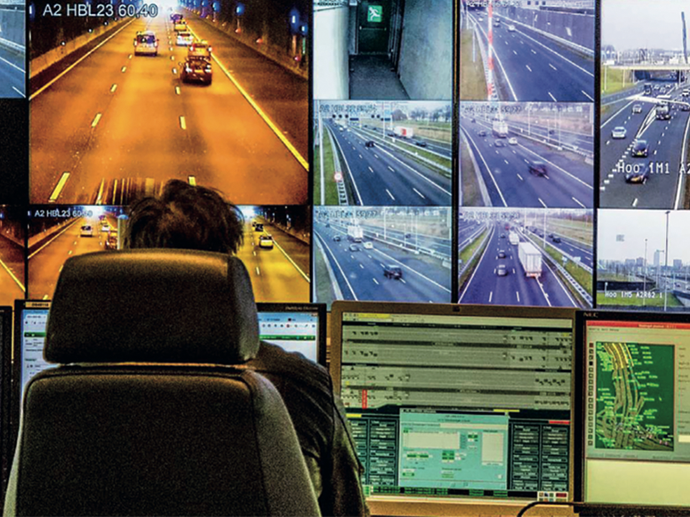
Asphalt Model Top-Layer (1A)
This pilot project focuses on developing and validating innovative forecasting models to estimate the remaining lifetime of pavement top layers for Autobahn GmbH des Bundes. By leveraging historical inspection data and comparing new data-driven methods with existing approaches, the project aims to enhance road asset management with more accurate, actionable forecasts for smarter maintenance planning and budgeting.

Evaluating the Structural Capacity of Flexible Pavements (1B)
This pilot project develops a framework to integrate data-driven asset management principles into Pavement Management Systems (PMS), using Traffic Speed Deflectometer (TSD) technology to assess pavement structural capacity. By incorporating AI models, physics-based normalization, and an integrated analytical workflow, the project enhances maintenance strategy selection, enabling road authorities to make more informed, sustainable decisions for future pavement management.

RFID Tags and Sensors (2A)
This pilot explores the use of RFID sensors embedded in asphalt to monitor and validate new materials, supporting faster validation, effective recycling, and improved road asset management. By integrating RFID technology into pavement layers, the project creates a smart, data-driven approach to road infrastructure, enhancing decision-making and enabling more sustainable, resilient road networks across North-West Europe.
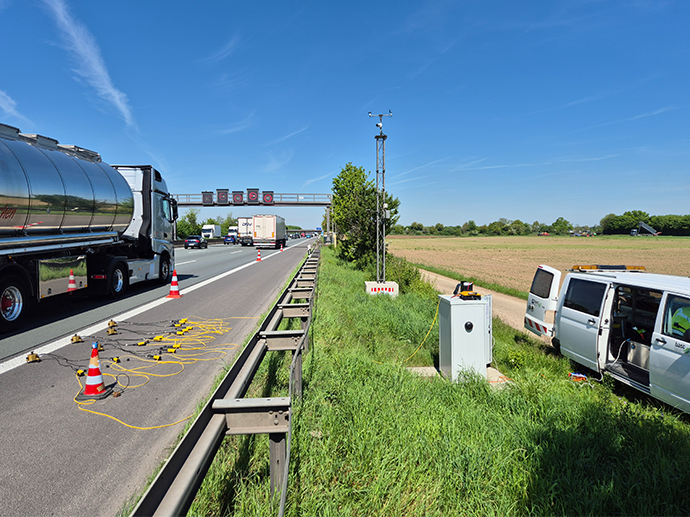
EasyWIM
The easyWIM pilot introduces a non-invasive solution for accurate vehicle weight monitoring, using roadside seismic measurements and deep learning to predict weight without embedding sensors in the pavement. By processing ground vibrations with easyWIM-Net, this innovative, cost-effective system offers a faster and more sustainable alternative to traditional Weigh-in-Motion.

Fiber Optic Sensors (2C)
This project explores the use of Fiber Optic Sensor (FOS) technology for enhanced road pavement monitoring, evaluating its potential for both traffic and structural analysis. Through pilots on Germany's A6 motorway and large-scale tests at the BASt research site, the project assesses the technical and economic feasibility of FOS, providing valuable insights into its application for smarter, more efficient road asset management.
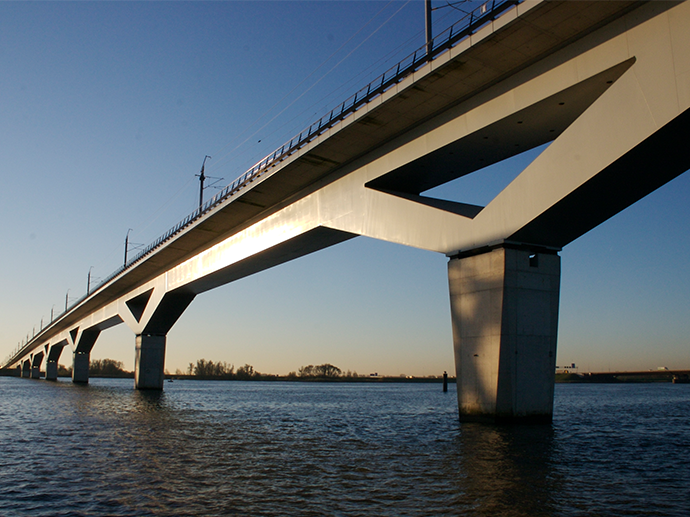
End-of-life-based Modelling
The Bridges Priority pilot InfraScan introduces a semantic framework for renewal planning, addressing the complexity of managing over 100,000 civil structures in the Netherlands. By combining risk profiling, semantic data modeling, and a Knowledge Graph, the system enables automated analysis, early warnings, and evidence-based decision-making, enhancing the transparency and consistency of bridge renovation and replacement planning.
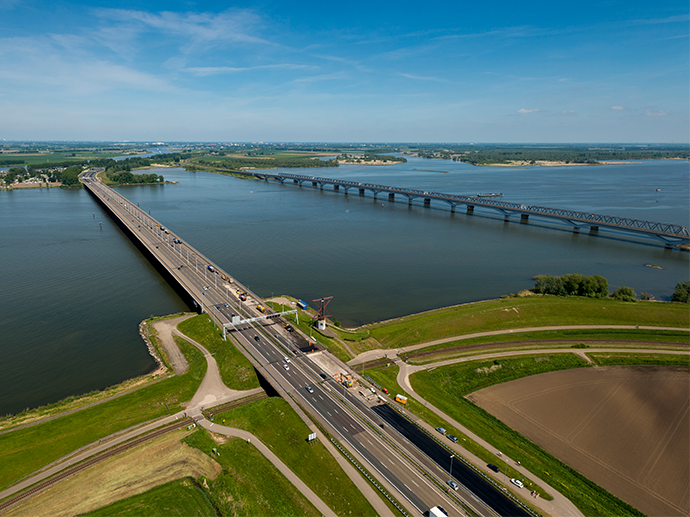
Bridge Priority Model
In response to the Netherlands' aging infrastructure, the Bridge Priority Model (InfraScan) pilot uses a semantic framework to integrate technical observations, failure events, and infrastructure conditions. By applying linked data technologies, it supports evidence-based renewal decisions, reduces failures, and improves safety, cost efficiency, and sustainability, helping manage aging bridges and critical assets more effectively.

Asset and Fault Management System
This pilot focuses on improving Intelligent Transport Systems (ITS) management by shifting from reactive to proactive, evidence-based decision-making. Through the Asset and Fault Management System (AFMS), the pilot develops performance dashboards, a training chatbot, and enhanced data analysis tools to improve transparency, efficiency, and accountability.
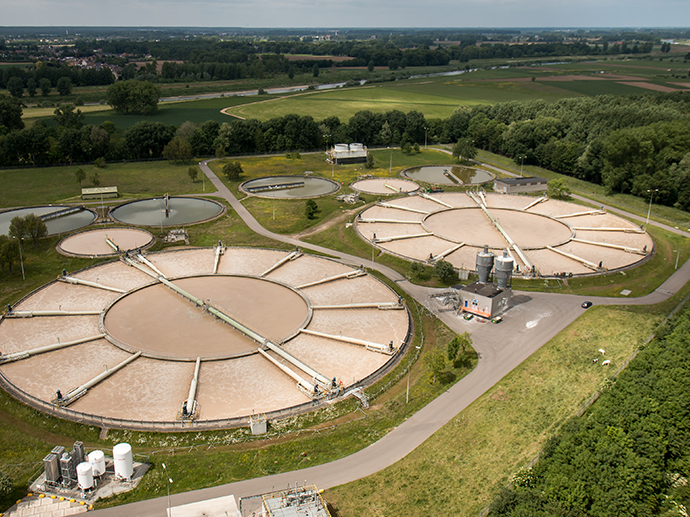
Advanced Asset Management in Water and Sewage Systems
This pilot project explores the use of Intelligent Controllers to gain deeper insights into the condition of assets in water distribution and wastewater collection systems. By analyzing data on asset wear, leaks, and inefficiencies, the project uncovers hidden information to help stakeholders optimize maintenance efforts, anticipate failures, and make smarter, data-driven decisions that improve the reliability and sustainability of water and wastewater systems.

Monitoring Flanders' Rivers with Sensors
This pilot deploys over 200 multi-parameter sensors across Flanders’ waterways to continuously monitor key water quality indicators such as temperature, dissolved oxygen, and pH. By integrating real-time data with predictive analytics and smart maintenance strategies, the system enables rapid response to environmental incidents, enhances proactive water management, and helps safeguard the region’s rivers and ecosystems.
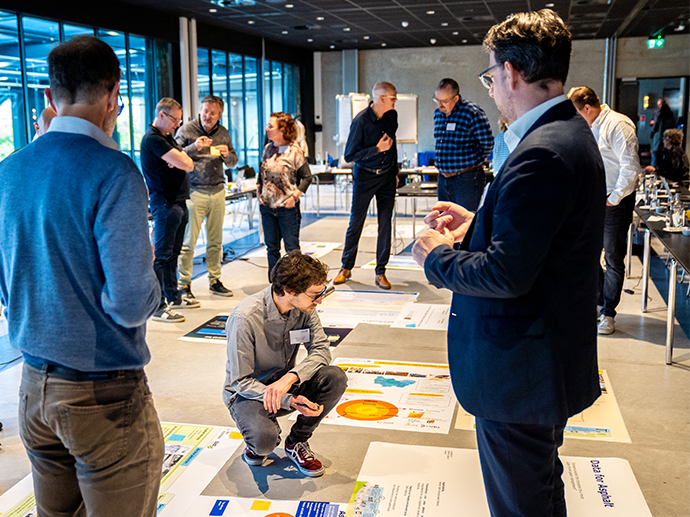
BEPROACT_WTR 3.0
This pilot introduces the BEPROACT WTR 3.0 platform to enhance water system management through smart, data-driven innovations. With features like Smart Dynamic Alerting, Real-Time Pollution Tracing, and Optimized Probe Maintenance, the system improves monitoring efficiency, accelerates response times, reduces maintenance costs, and enables proactive, sustainable management of water infrastructure.

Predicting Oxygen Concentrations in the Dender River
This pilot introduces an AI-driven decision-support system for real-time prediction and management of oxygen levels (O2) in rivers across Flanders. By using IoT sensors to collect data and AI models to predict fluctuations and detect risks, the system provides early warnings and actionable insights, helping authorities and water managers optimize interventions, protect biodiversity, and enhance ecological resilience in river ecosystems.