
Work packages
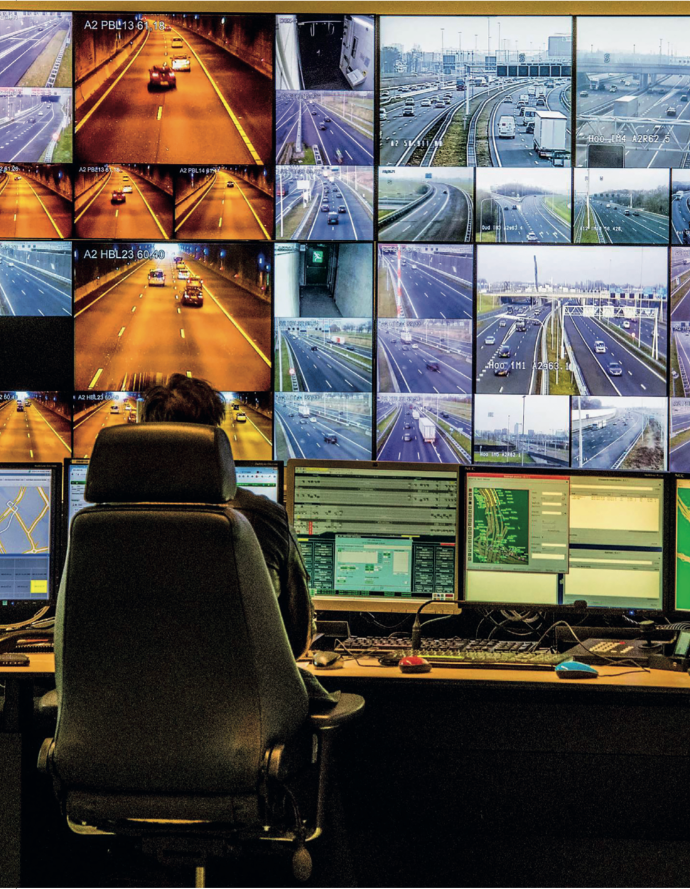
Work package 1 - Strategy
The Strategy Work Package forms the backbone of BEPROACT by helping infrastructure organisations move from reactive maintenance towards a proactive, data-driven way of working. In a European context marked by ageing infrastructure, increasing climate pressure, growing traffic intensity and rising digital risks, infrastructure managers need more than isolated technical solutions: they need a clear and tailored transformation strategy. This work package therefore focuses on developing a custom-fit digital transformation and smart maintenance approach for different organisations and asset types across North-West Europe.
At the heart of this work package is the Data Enrichment Cycle, a structured framework for capturing, interpreting and applying infrastructure data in a meaningful way. Rather than collecting data for its own sake, the Strategy Work Package ensures that data becomes actionable intelligence for maintenance, renewal and resilience planning. In this way, it supports infrastructure owners and asset managers in making better strategic decisions, meeting continuity and resilience obligations, and aligning with broader European ambitions such as the Digital Decade, CER and NIS2. By creating a replicable pathway, this work package lays the foundation for smarter asset management that can be scaled up across regions, organisations and infrastructure systems.
Work package 2 - Smart assets
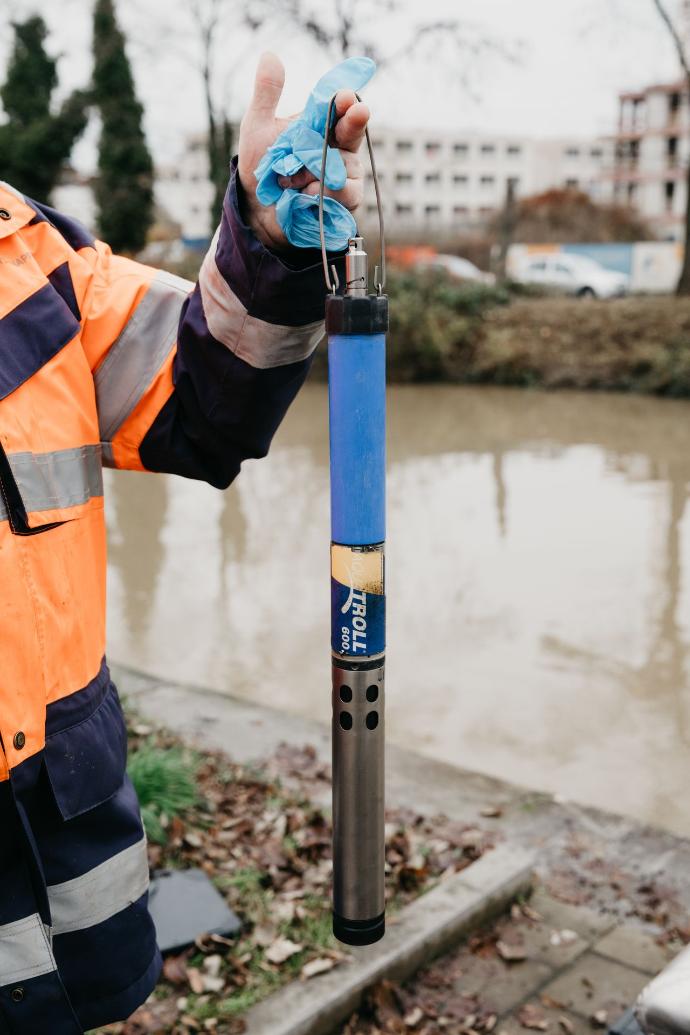
The Assets Work Package translates strategy into practice by planning, testing and implementing fifteen innovative solutions across six different asset systems: highways, bridges, tunnels, buildings, water systems and traffic networks. This is where BEPROACT’s vision of ‘talking assets’ becomes tangible. Through sensors, digital tools and data-based methods, infrastructure is enabled to sense, analyse and communicate its own condition, allowing asset managers to anticipate problems before failures occur and to intervene at the right time.
What makes this work package especially valuable is its transnational character. The solutions are not developed for one isolated context, but across multiple countries, organisations and infrastructure environments in North-West Europe. This creates a strong basis for learning, comparison and replication. The pilot cases demonstrate how predictive and data-enriched maintenance can improve operational continuity, extend asset lifecycles, reduce maintenance costs and increase workplace safety. At the same time, the work package contributes to more efficient use of resources and a lower environmental footprint. In essence, this second Work Package shows that digital innovation is not an abstract ambition, but a practical route towards more resilient, sustainable and cost-effective infrastructure management.
Work package 3 - People
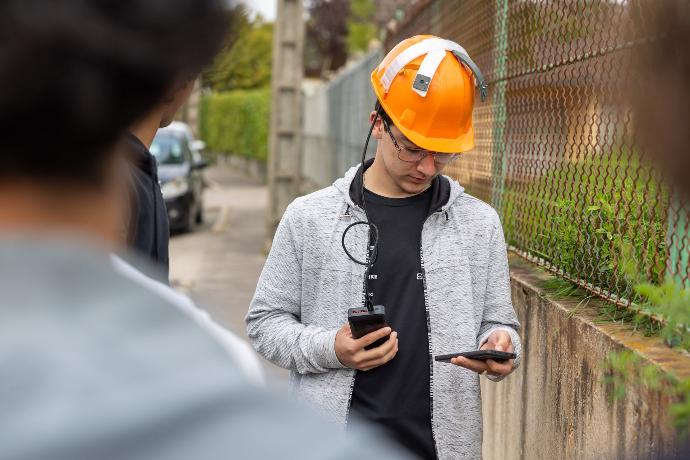
The People Work Package recognises that digital transformation is not only about technology, but also about the people who must apply, interpret and act on it. As infrastructure systems become smarter and more connected, professionals need new competences to manage data, understand digital tools and translate insights into better decisions. This work package therefore focuses on creating accessible, implementable and replicable training schemes and knowledge platforms that strengthen human capital across North-West Europe.
A key ambition of this work package is to anchor BEPROACT’s results in the territories, organisations and institutions that will continue using them after the project ends. It builds a transnational knowledge network of asset managers, innovators, policymakers and academia, enabling them to exchange expertise and learn from each other’s experiences. In doing so, the People Work Package helps ensure that the shift towards proactive, data-driven asset management is not temporary, but structurally embedded. By upskilling professionals and fostering collaboration across borders and sectors, it supports long-term resilience in both digital and physical infrastructure. Ultimately, this work package ensures that BEPROACT’s innovation is not only technically sound, but also socially adoptable and sustainable in practice.