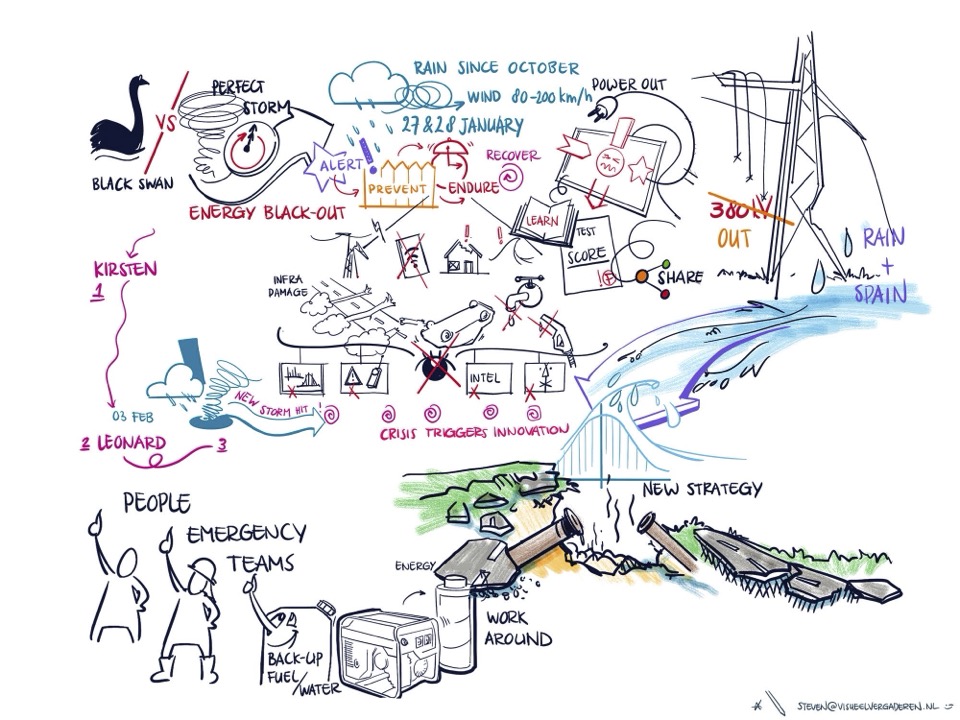
Extreme weather events can trigger cascading failures across critical infrastructure, demonstrating just how interconnected and vulnerable essential services can be. In this thought-provoking presentation, Alexandra Cristóvão from EPAL – Empresa Portuguesa das Águas Livres, S.A., and a Partner under W-Smart in the EU Digital Europe Programme co-funded ATHENA project, shared valuable lessons on infrastructure resilience through a compelling real-world case study.
Titled "When a Black Swan Meets the Perfect Storm(s)," the presentation examined the cascading impacts of a series of extreme weather events in Portugal. Using the example of Storm Kristin and the subsequent "storm train" (Ingrid → Joseph → Kristin → Leonardo → Marta), Alexandra illustrated how multiple crises can rapidly evolve into a complex challenge for operators of critical infrastructure.
Key insights from the presentation included:
- The rapid escalation from meteorological warning to full operational alert, demonstrating the importance of preparedness and effective internal coordination.
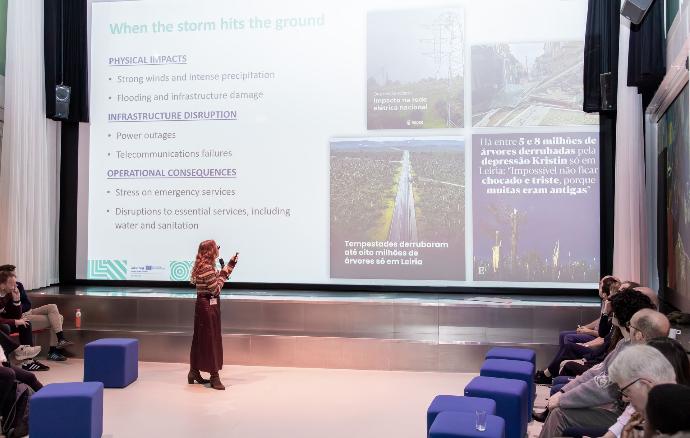
- The severe physical and operational impacts, including widespread power outages, infrastructure damage, and disruption of essential services such as water supply and sanitation.
- The critical dependencies on electricity and telecommunications for water utilities, exposing vulnerabilities during compound crises.
- The challenge of continuous recovery under repeated stress, where resilience is tested as recovery time between successive events disappears.
- The importance of strong stakeholder alignment to safeguard the water supply for millions of citizens.
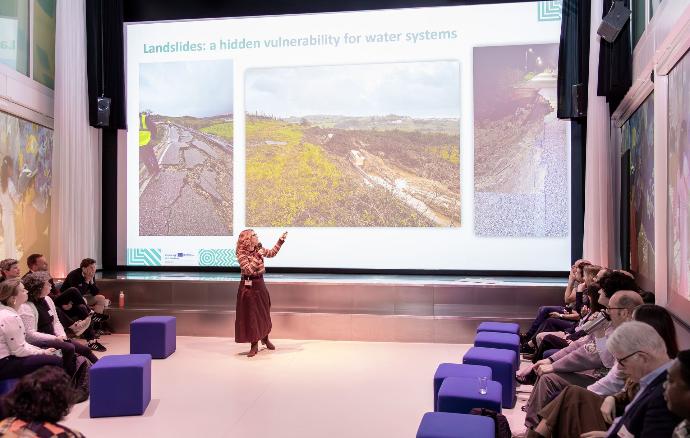
- Emerging risks such as landslides, which reduced accessibility to critical infrastructure and delayed emergency response efforts.
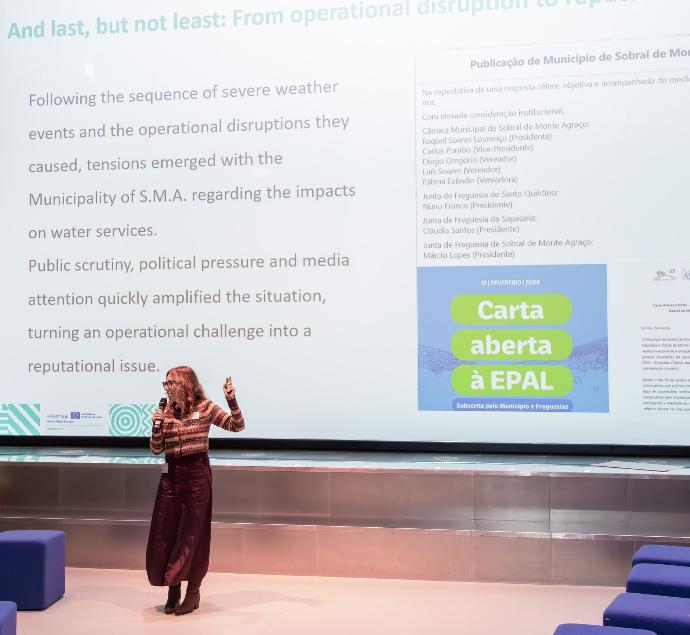
- The transition from operational disruption to reputational crisis as public expectations and political pressure increased.
The presentation clearly demonstrated that resilience extends far beyond physical infrastructure. It requires strong collaboration across sectors, robust contingency planning and the ability to respond effectively to complex, cascading events in an increasingly uncertain climate.
By sharing practical experiences and lessons learned, this session provided valuable insights for infrastructure owners, operators and policymakers working to strengthen the resilience of Europe's critical infrastructure systems.