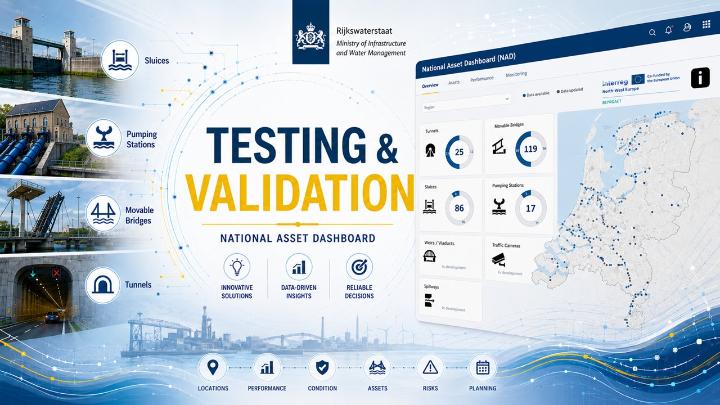
High-quality data is the foundation of effective, data-driven asset management. During the BEPROACT Strategic Partner Meeting in Lille, Richard Bon from Rijkswaterstaat presented the organisation's approach to Testing & Validation within the development of the National Asset Dashboard (Landelijk Asset Dashboard – LAD), demonstrating how confidence in data is established and maintained throughout the development process.
As infrastructure organisations increasingly rely on data to support asset management and operational decision-making, the quality, consistency and reliability of that data become essential. Decisions on maintenance, asset performance, investments and safety can only be effective when the underlying information is trustworthy.
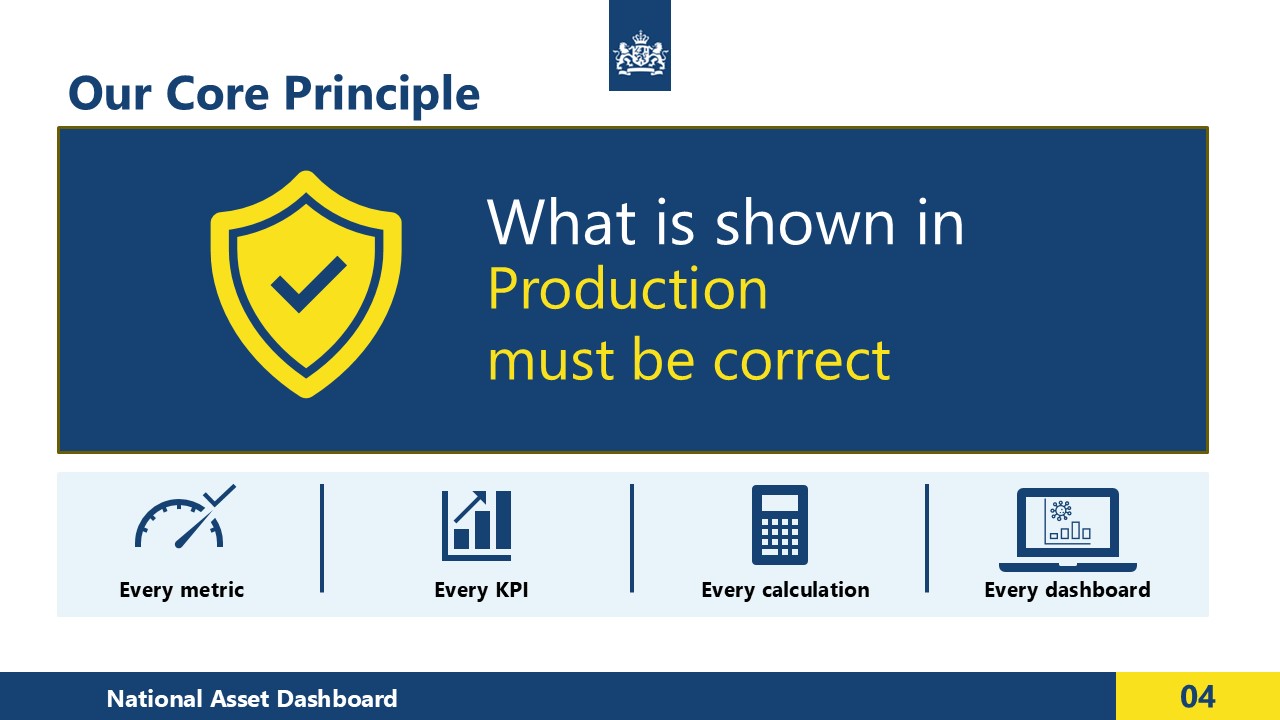
At Rijkswaterstaat, the development of the National Asset Dashboard is guided by a clear principle:
What is shown in Production must be correct.
To support this principle, testing and validation are embedded throughout the entire development lifecycle. From aligning data definitions with stakeholders and validating sensor data to verifying business outcomes and testing implementations across multiple environments, each step contributes to building confidence in both the dashboard and the decisions it supports.
During the presentation, participants explored:
- Why trusted data is essential for effective asset management and decision-making.
- The distinction between Validation and Testing, and the role each plays in ensuring data quality.
- How the National Asset Dashboard applies a structured quality assurance process.
- The importance of involving stakeholders throughout the complete development lifecycle.
The presentation generated valuable discussions on how organizations can strengthen confidence in their data and ensure that insights derived from complex data streams remain reliable, transparent and actionable.
By sharing practical experiences and lessons learned, the session demonstrated that successful data-driven asset management depends not only on collecting data, but also on establishing robust processes that ensure its quality, reliability and trustworthiness.