Collaboration, innovation and knowledge exchange were at the heart of the BEPROACT Strategic Partner Meeting, held from 8–10 June 2026 at the University of Lille. Over three days, partners from across North-West Europe came together to share progress, exchange expertise and further develop data-driven solutions for resilient infrastructure management.
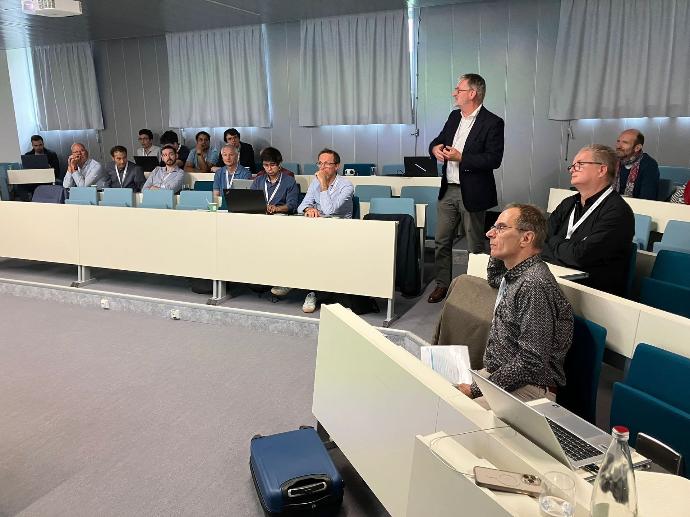
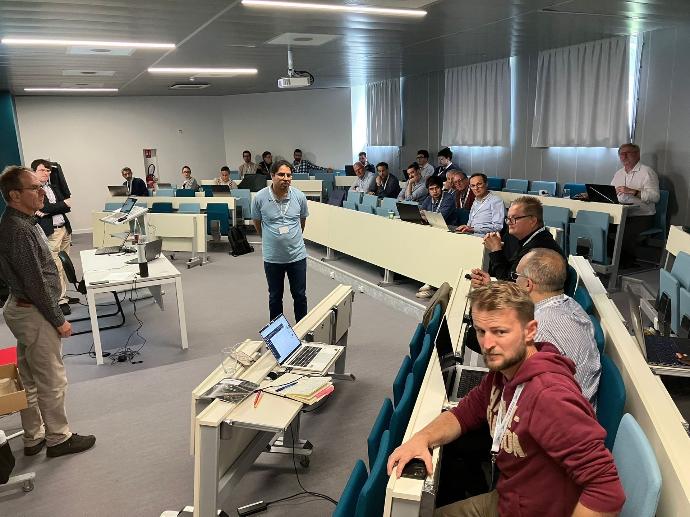
The meeting was hosted by the University of Lille and officially opened by Rochdi Merzouki, Mario Sanz Lopez, Natalie Oonk-Abrahams and Joan Staeb. Following the opening session, the first afternoon focused on Work Package 2, highlighting several pilot cases that demonstrated how data and artificial intelligence are transforming infrastructure management and decision-making.
Smarter Pavement Management
The Federal Highway and Transport Research Institute (BASt) and the Transport Research Institute presented a data-driven framework for pavement management. By leveraging Traffic Speed Deflectometer (TSD) technology, structural road condition data can be integrated into smarter and more sustainable maintenance strategies, enabling infrastructure managers to make better-informed maintenance decisions.
Predicting Water Quality with AI
Partners from Vlaamse Milieumaatschappij (VMM) and GEOSPARC showcased AI models for water quality prediction. Using IoT sensor data combined with advanced analytics, the models can forecast changes in oxygen levels in Flemish rivers, supporting proactive environmental monitoring and water management.
AI-Powered Preventive Infrastructure Inspections
The University of Lille presented its pilot on data-driven preventive maintenance, demonstrating how AI-powered wearable technologies can improve the efficiency and accuracy of infrastructure inspections through real-time crack detection. The project illustrates how innovative technologies can support earlier detection of structural deterioration and more effective maintenance planning.
Sharing Knowledge and Strengthening Skills
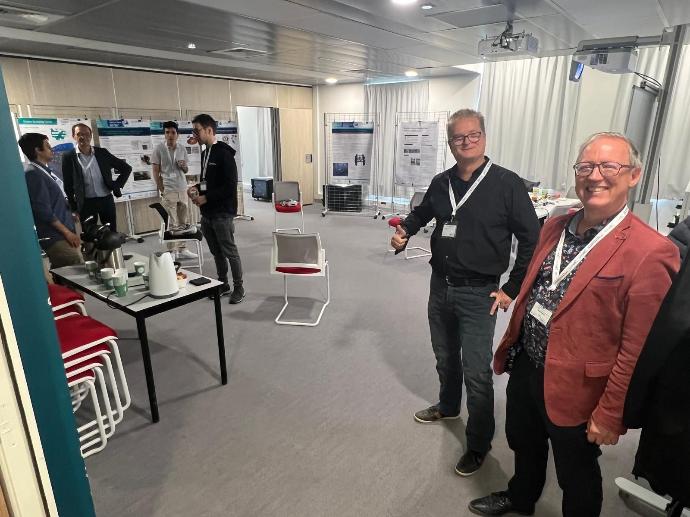
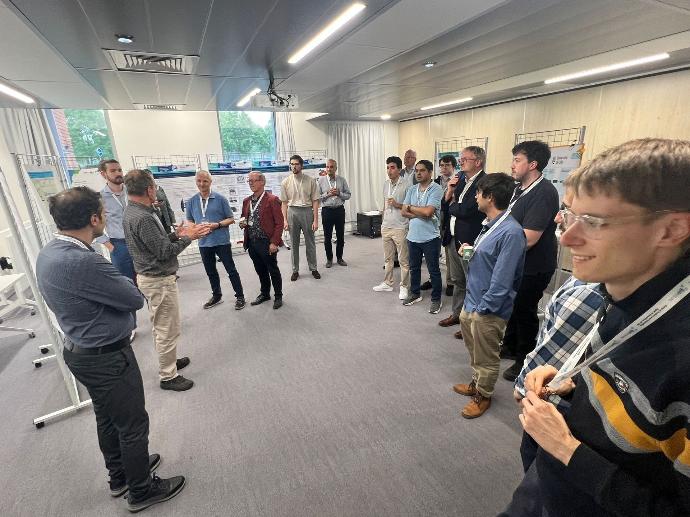
During the poster sessions, project partners presented their latest progress through short pitches and discussions, creating opportunities to exchange experiences and explore future collaboration.
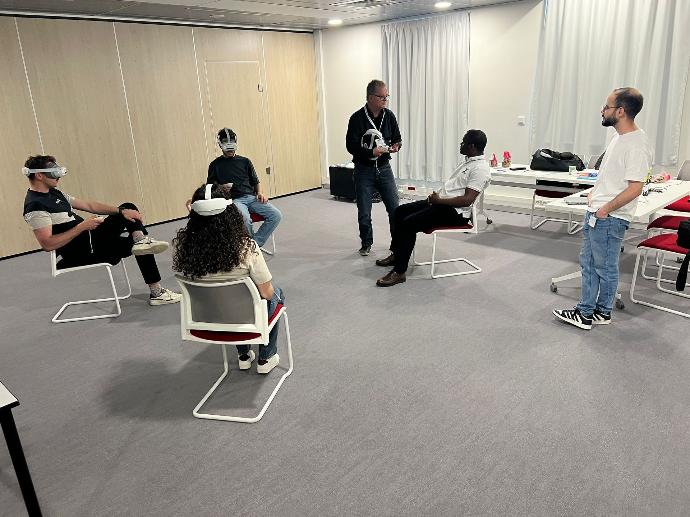
In parallel, the ATHENA Digital Europe Programme introduced an immersive virtual reality upskilling programme on cybersecurity for critical infrastructure. The training was developed for three key professional profiles: asset operators and engineers, asset managers, and policy implementation executives, providing participants with realistic cyber resilience scenarios.
The afternoon concluded with an update on dissemination activities and collaboration with associated partners, underlining the importance of knowledge sharing and stakeholder engagement in ensuring the long-term impact of the BEPROACT project.